Wondering how to make sense of Kernersville’s housing options before you start touring homes? That is a smart question, because this town offers more variety than many buyers expect, from older homes near the historic core to newer detached houses, attached options, and larger-lot properties on the edges of town. If you want to match your budget, commute, and maintenance preferences to the right part of Kernersville, this guide will help you read the market more clearly. Let’s dive in.
Why Kernersville Feels So Varied
Kernersville has been growing, and that growth helps explain why the town includes such a wide mix of neighborhoods and home styles. The Census Bureau estimates the population at 29,128 as of July 1, 2025, up from 26,449 in the 2020 Census. As a result, both older in-town housing and newer development patterns continue to shape the local market.
The town also describes itself as having a small-town atmosphere with strong interstate access and housing that ranges from apartments to half-acre lots and smaller estate tracts. That combination gives you more than one way to live in Kernersville. Instead of one dominant housing type, you will find a spectrum of choices that fit different goals.
From a market perspective, the numbers suggest a mid-market town with relatively tight supply. Owner-occupied units make up 60.5% of occupied housing, the median owner-occupied home value is $290,700, median gross rent is $1,082, and just 4.5% of housing units are vacant. In practical terms, that means neighborhood fit matters, because buyers often need to move quickly when the right option appears.
Historic Core Neighborhoods
If you love older architecture and a more central setting, the historic core is the first place to understand. Kernersville’s older residential fabric is concentrated around the South Main Street Historic District and the North Cherry Street Historic District. This area is where the town’s earlier housing story is easiest to see.
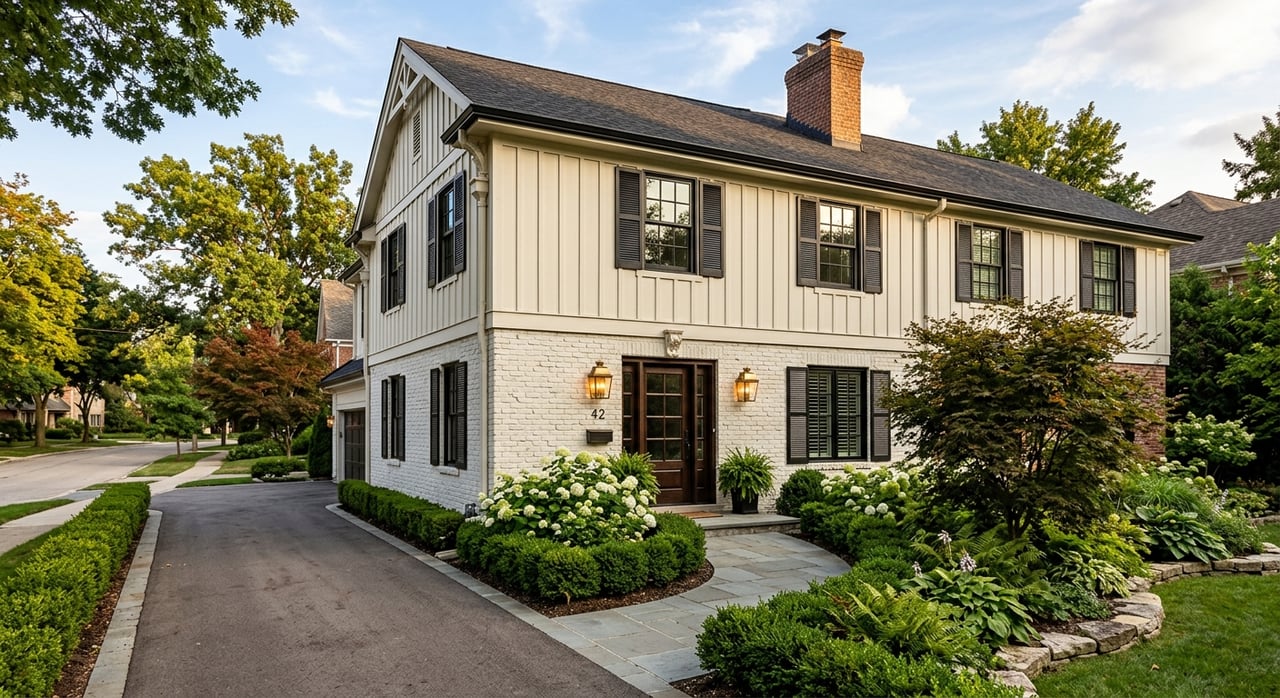
According to National Park Service historic documentation, these areas include frame and log dwellings, later brick homes with Greek Revival detailing, and Victorian and Colonial Revival resources dating roughly from 1834 to 1930. That gives you a broader style range than you might expect in one part of town. You are not just looking at one “historic” look, but several eras of home design.
For many buyers, the appeal here is simple. You may find mature trees, older lot patterns, and a more walkable in-town feel than you would in newer suburban sections. The tradeoff is that older homes often bring more upkeep, even when they offer standout character.
What Buyers Often Like Here
Buyers who focus on the historic core are often looking for:
- Distinctive architecture
- A central location near downtown activity
- Established streetscapes and mature landscaping
- Homes with details that differ from newer construction
If that sounds like your wish list, this part of Kernersville may deserve an early look in your search.
Established Single-Family Areas
Kernersville’s land-use plan says low-density single-family housing has historically been the town’s primary land use. It also recognizes older large-lot developments and more suburban single-family areas. This is the classic detached-home side of Kernersville that many buyers picture first.
In these neighborhoods, you are more likely to find yards, driveways, and more separation between homes. The feel is often more traditional and suburban, with housing patterns built around detached single-family living. For buyers who want a familiar layout and a little more breathing room, these areas often check the right boxes.
This category can cover a range of price points and lot sizes, so it is worth comparing one established area to another instead of assuming they all feel the same. In Kernersville, lot size, housing age, and access to main roads can all shift the overall experience. That is one reason neighborhood-level guidance matters.
Corridor And Transition Areas
Not every buyer wants a large yard or a fully detached home. Kernersville’s planning documents place medium-density, mixed-residential, and high-density housing in transition areas and along major thoroughfares. These areas are planned to support cluster homes, duplexes, triplexes, quadraplexes, condos, townhouses, and apartments.
If your priority is lower-maintenance living or easy access to major roads, this part of the housing mix may be worth serious attention. Attached homes and townhomes often appeal to buyers who want less exterior upkeep and a simpler day-to-day routine. They can also make sense if you want to stay price-conscious while keeping convenience high.
Because these homes are often closer to major corridors, location can be a major advantage. At the same time, you may be trading some quiet and separation for easier access. That is not automatically a drawback, but it is something to weigh carefully against your routine and preferences.
Good Fit For Buyers Who Want
- Lower exterior maintenance
- Attached or smaller-footprint housing
- Access to major roads and daily errands
- A wider mix of ownership and rental-style housing forms
Larger-Lot And Edge-Area Living
If space and privacy sit at the top of your list, Kernersville also includes larger-lot and edge-area housing patterns. The town’s land-use plan includes rural-residential and agricultural patterns, along with large-parcel development and scattered non-farm residences on larger tracts. This creates a very different feel from the historic core or corridor areas.
In these parts of town, you may find more yard space and less immediate density. That can be appealing if you want room to spread out, more privacy, or a property that feels less connected to surrounding development. For some buyers, that extra space is the whole point.
The tradeoff is usually practical. Larger lots often mean more maintenance, and edge-area living can come with longer drives for errands or daily commuting. If you are considering this type of home, it helps to think through not just the property itself, but also the weekly routine that comes with it.
Home Styles You Are Likely To See
One of the most useful things to know about Kernersville is that the housing stock is not one-size-fits-all. The town’s zoning framework allows for single-family detached homes on lots ranging from roughly 0.69-acre lots down to 7,000-square-foot urban lots, along with duplexes, twin homes, triplexes, quadraplexes, townhouses, and multifamily buildings. That flexibility helps explain why different parts of town can feel so different.
As you search, you are likely to see a few broad style categories:
- Older detached homes near the historic core
- Traditional detached suburban homes in established neighborhoods
- Attached homes such as townhouses and twin homes
- Multifamily or higher-density housing in select areas
- Larger-lot detached homes toward the edges of town
A simple way to think about it is this: larger detached homes often mean more yard work, attached homes usually mean less exterior upkeep, and older in-town homes may offer more character along with more maintenance. That is not a formal town rule, but it is a useful framework when you compare options.
Commute Patterns Matter In Kernersville
In Kernersville, neighborhood choice is closely tied to transportation access. The town highlights excellent interstate access to I-40, I-74, and US 421, and notes major in-town corridors including Main Street, Salisbury Street, NC 66, and Mountain Street. For many buyers, that road network is a major part of the value equation.
If your routine includes frequent commuting across the Triad, proximity to these routes may shape your home search as much as square footage or style. A home in one area may save you time every day, while another may offer more space but add friction to your schedule. That is why commute planning should happen early, not after you fall in love with a house.
Current planning efforts in Kernersville also reinforce the connection between transportation and future housing patterns. The town’s comprehensive planning process is meant to guide where development should occur and how transportation improvements support it. In other words, growth and mobility are being planned together.
How To Match Your Wish List
If you are narrowing your search, it helps to translate your priorities into neighborhood patterns instead of just scrolling listings. Kernersville works best when you think about it as a spectrum, not a single neighborhood type. That approach makes it easier to focus your time and avoid seeing homes that do not fit your lifestyle.
Start Here If You Want Historic Charm
Look first near the downtown core and the older historic districts around South Main and North Cherry Street. These areas are most likely to offer older architecture and a more central setting. They can be a strong fit if charm matters more to you than having a newer floor plan.
Start Here If You Want A Suburban Feel
Focus on low-density single-family areas and older large-lot neighborhoods. These parts of town align most closely with the detached-home, yard-and-driveway lifestyle many buyers want. They are often the clearest match for a traditional suburban search.
Start Here If You Want Lower Maintenance
Pay attention to corridor and transition areas where townhomes, condos, duplexes, and apartments are part of the planned housing mix. These locations often make the most sense if you want less exterior work and easier access to major roads. They can also be a smart fit for buyers who value convenience over lot size.
Start Here If You Want More Space
Consider edge-area large-lot or rural-residential patterns where bigger tracts are more common. These areas can offer privacy and more outdoor space. Just be sure the upkeep and drive times fit your day-to-day life.
Start Here If You Want Commute Convenience
Prioritize locations with easier access to I-40, I-74, US 421, Main Street, Salisbury Street, NC 66, or Mountain Street. In Kernersville, transportation access can strongly affect how practical a home feels over time. That is especially true if you commute throughout the Triad.
Why This Matters For Buyers And Sellers
For buyers, understanding Kernersville’s neighborhood patterns can save time and reduce stress. You can search with more focus when you know whether you are aiming for older in-town character, a classic detached neighborhood, lower-maintenance attached housing, or more private edge-area living. That clarity often leads to better decisions and fewer compromises.
For sellers, this same variety shapes how a home should be positioned in the market. A historic home, a suburban single-family property, and a lower-maintenance townhome each speak to different buyers and priorities. Strong marketing starts with understanding exactly where a home fits within Kernersville’s broader housing story.
That is where local guidance and a process-driven approach can make a real difference. When your timing, budget, and lifestyle goals are clear from the start, it becomes much easier to narrow the right neighborhoods, prepare a home for market, and move with confidence.
If you are thinking about buying or selling in Kernersville, working with a local expert who understands how neighborhood patterns, commute routes, and home styles connect can help you make a sharper decision from day one. If you want a clear plan and responsive guidance, connect with Jordan Allison.
FAQs
What kinds of neighborhoods are common in Kernersville?
- Kernersville includes historic in-town areas near the downtown core, established single-family neighborhoods, corridor and transition areas with attached or higher-density housing, and larger-lot edge-area patterns.
What home styles can you find in Kernersville, NC?
- You can find older detached homes, traditional suburban single-family homes, townhouses, duplexes, twin homes, condos, apartments, and larger-lot detached properties depending on the area.
Which part of Kernersville is best for historic homes?
- Buyers looking for historic homes often start around the South Main Street Historic District and the North Cherry Street Historic District, where much of the older residential fabric is concentrated.
Where should you look in Kernersville for lower-maintenance living?
- Corridor and transition areas are often the best place to start if you want lower-maintenance options such as townhomes, condos, duplexes, or apartments.
How important is commute access when buying in Kernersville?
- Commute access is a major factor because Kernersville is shaped by its connections to I-40, I-74, US 421, and key local corridors like Main Street, Salisbury Street, NC 66, and Mountain Street.
Is Kernersville a one-style housing market?
- No. Kernersville offers a broad housing mix, which is one reason buyers should compare neighborhoods based on lot size, home type, maintenance needs, and access to major roads.