Choosing between in-town and suburban living in Winston-Salem is not just about where a home sits on a map. It is about how you want your week to feel, how much space you need, and how often you want to get in the car. If you are weighing both options, this guide will help you compare daily routines, housing styles, and practical tradeoffs so you can make a smarter move with confidence. Let’s dive in.
Winston-Salem Offers Both Lifestyles
Winston-Salem gives you more than one version of city living. The city has 255,769 residents across 132.68 square miles, and its neighborhoods range from compact in-town areas to lower-density edge neighborhoods and newer subdivisions. In real life, that means you are often choosing along a spectrum instead of making a simple city-versus-suburb decision.
That mix shows up clearly across the city. Local ward descriptions mention everything from older neighborhoods like Buena Vista to newer subdivisions such as Century Oaks, plus areas where development becomes more suburban farther south, east, and west. For buyers, that creates real flexibility, but it also means the best fit usually comes down to your habits more than your mailing address.
In-Town Living in Winston-Salem
In-town living tends to appeal to buyers who want convenience and variety built into everyday life. Winston-Salem’s downtown is intentionally compact, with eight districts forming the core and several focused on dining, shopping, entertainment, and activity. If you like the idea of shorter routines and easier access to central destinations, in-town neighborhoods can be a strong match.
The city has also invested in pedestrian connectivity. The Strollway links Fourth Street with Old Salem and Salem Avenue, and local city information notes that people use it for walking, jogging, biking, and even midday breaks. That kind of infrastructure can make it easier to build a more car-light routine near the center city.
What Daily Life Feels Like In-Town
When you live in-town, errands and social plans can feel more spontaneous. You may be closer to downtown restaurants, shops, and entertainment, and in some areas you can walk or bike for part of your routine. Winston-Salem also supports several transportation modes, including walking, biking, public transportation, streets and highways, and private transportation.
Bus service through WSTA, centered at the Clark Campbell Transportation Center downtown, adds another option for getting around. While many households still rely on cars, in-town areas generally make it more realistic to mix driving with walking, biking, or transit than lower-density neighborhoods do. That flexibility can matter if your work, appointments, or social life cluster near the core.
In-Town Homes Often Have More Character
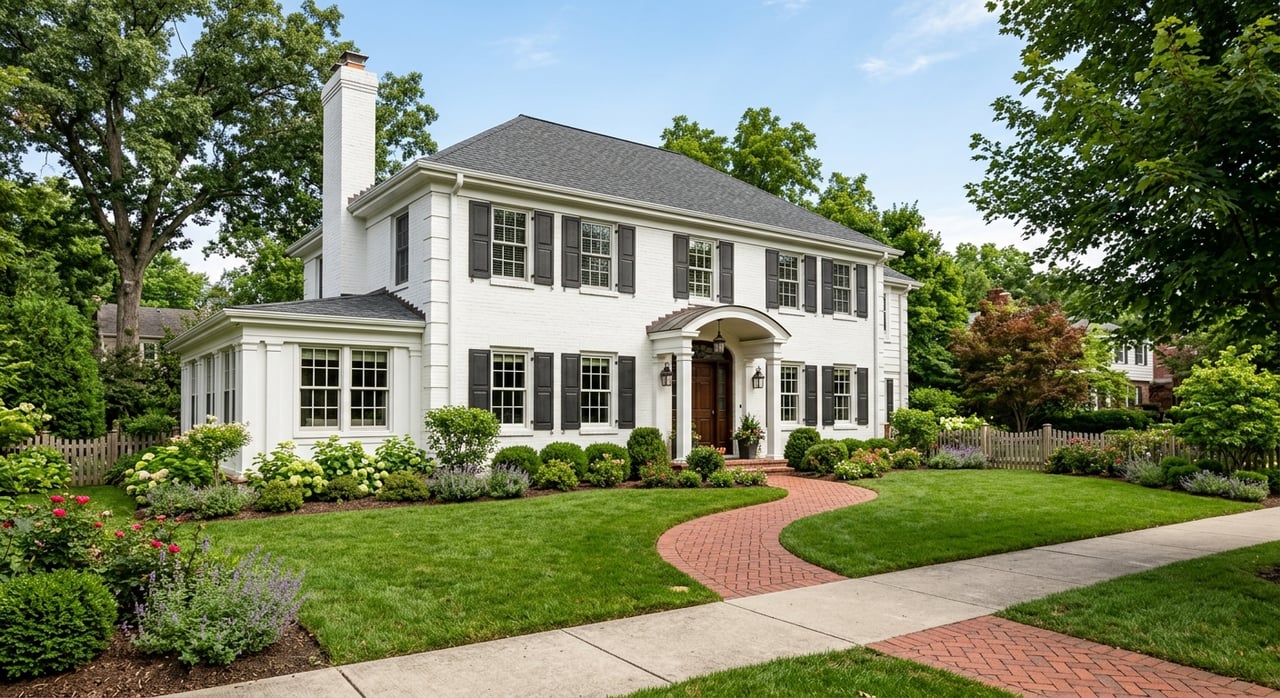
One of the biggest draws of in-town neighborhoods is the housing stock. Areas such as West End and Ardmore are known for older homes and more architectural variety. West End is described as an intact turn-of-the-century streetcar suburb, while Ardmore includes home styles such as bungalows, Colonial Revival, Tudor Revival, Mediterranean Revival, American Foursquares, and some apartment complexes.
If you value original details, established streetscapes, and homes that do not all look the same, these neighborhoods can offer a lot. In many cases, the charm comes from the age and design diversity of the housing itself. For some buyers, that character is worth trading for a smaller lot or an older floor plan.
A Key Tradeoff: Historic Review
Older in-town living can come with more oversight. Winston-Salem’s local historic and historic overlay districts require review of exterior changes, usually through a Certificate of Appropriateness. West End, Old Salem, and Bethabara are among the city’s locally zoned historic districts.
That does not make these areas harder to love, but it is an important due-diligence item. If you want to make fast exterior changes, expand quickly, or prefer fewer review steps, this is something to evaluate early. A good home fit is not just about style. It is also about how much flexibility you want after closing.
Suburban Living in Winston-Salem
Suburban-style living in Winston-Salem often appeals to buyers who want more space, newer construction, and a quieter residential setting. In many edge neighborhoods and subdivisions, you are more likely to find larger lots, newer development patterns, and homes organized around lower-density streets rather than a compact urban grid. That can create a different pace of life.
The city’s ward descriptions point to this pattern in several directions. They reference neighborhoods and subdivisions such as Sherwood Forest, New Sherwood Forest, Century Oaks, Moravian Forest, and Mallard Lakes, along with country-living style development farther out. In these areas, daily life is usually more car-oriented, but many buyers see that as a worthwhile exchange for extra room.
What Daily Life Feels Like in Suburban Areas
In suburban parts of Winston-Salem, your home often becomes more of your lifestyle hub. You may have more yard space, more separation between homes, and a calmer residential feel. For buyers who want room for outdoor living, hobbies, pets, or simply a little more breathing room, that can be a major advantage.
Even in these areas, city planning still supports sidewalks, bikeways, greenways, and walkable neighborhood goals. The difference is that suburban growth is typically organized around corridors and activity centers rather than a tightly connected downtown core. In practice, that usually means more driving and less spontaneous foot traffic, but often more privacy and lot size.
Suburban Homes Often Mean More Lot Size
If outdoor space is high on your list, suburban neighborhoods may rise to the top quickly. In the Northeast suburban area plan, Pine Brook Country Club was platted with 106 parcels averaging about one-half acre, and the report describes large front and rear yards. That gives a useful example of the lot patterns often associated with suburban-style neighborhoods in Winston-Salem.
Newer subdivisions can also attract buyers who want more current layouts or homes that require fewer immediate updates. While every neighborhood is different, suburban housing more often aligns with buyers who value newer construction, larger yards, and lower-density surroundings. If your idea of home includes more private outdoor space, this can be the deciding factor.
Comparing Commutes and Convenience
Commute time matters in both settings, even with remote work on the rise. In 2023, 11.5% of workers in the Winston-Salem metro primarily worked from home, and 13.6% of Forsyth County workers did. That is meaningful, but it also means most workers were still commuting somewhere on a regular basis.
There is another local detail worth noting. Forsyth County is one of the few North Carolina counties with a majority within-county share of private primary jobs, which suggests many households still make housing decisions around commute reliability. If you expect to be on the road several days a week, shaving friction out of your routine can be just as important as square footage.
At the citywide level, the mean travel time to work in Winston-Salem is 21.5 minutes, compared with 22.7 minutes in Forsyth County. On paper, that is a modest difference. In your personal routine, though, the bigger issue may be whether your job, errands, medical appointments, and social plans cluster near downtown or spread across lower-density areas.
How to Decide What Fits You Best
The simplest way to choose is to match a home to your weekly habits. If your work, dining, appointments, or social life are centered near downtown, in-town living may save you time and make life feel easier. If you care more about outdoor space, newer homes, and a quieter residential setting, suburban living may be the better fit.
Here is a simple framework to help you think it through:
Choose In-Town If You Want
- Easier access to downtown dining, shopping, and entertainment
- More opportunities to walk, bike, or use transit for part of your routine
- Older homes with architectural variety and established streetscapes
- A compact setting that supports shorter everyday trips
Choose Suburban If You Want
- Larger yards or more private outdoor space
- Newer subdivisions or lower-density residential patterns
- A quieter setting away from the central core
- A home that functions as the center of your daily lifestyle
Why the Right Fit Is Personal
Winston-Salem does not force you into one lifestyle. That is part of what makes the market so interesting. You can find historic center-city neighborhoods, classic established areas, and newer edge subdivisions all within the same broader city and county context.
The key is staying practical. A beautiful home can still feel wrong if it does not support the way you actually live. When you compare in-town and suburban options through the lens of commute patterns, transportation choices, lot size, home style, and future flexibility, your decision usually becomes much clearer.
If you are planning a move in Winston-Salem or anywhere in the Triad, working with an agent who can help you compare lifestyle fit, logistics, and timing can save you time and stress. Jordan Allison brings a process-driven approach to help you evaluate neighborhoods, narrow your options, and move forward with a clear plan.
FAQs
What is the difference between in-town and suburban living in Winston-Salem?
- In-town living usually offers closer access to downtown destinations, more walkable or bike-friendly routines, and older, more varied housing, while suburban living often offers larger lots, newer subdivisions, and a lower-density setting.
Are commute times very different between Winston-Salem and Forsyth County?
- The latest Census QuickFacts show a mean travel time to work of 21.5 minutes in Winston-Salem and 22.7 minutes in Forsyth County, so the difference is modest at the overall level.
What kinds of homes are common in Winston-Salem in-town neighborhoods?
- In-town neighborhoods such as West End and Ardmore are associated with older homes and varied architecture, including bungalows, Colonial Revival, Tudor Revival, Mediterranean Revival, and American Foursquares.
What should buyers know about historic districts in Winston-Salem?
- In local historic and historic overlay districts, exterior changes usually require review through a Certificate of Appropriateness, so buyers should factor that into their due diligence.
What makes suburban living appealing in Winston-Salem?
- Many buyers choose suburban-style areas for larger yards, newer construction, quieter residential surroundings, and a home-centered lifestyle with more outdoor space.
How do I decide between in-town and suburban neighborhoods in Winston-Salem?
- Start by looking at your weekly habits, including where you work, run errands, and spend free time, then compare those patterns against the convenience of in-town living or the space and pace of suburban areas.